
SIM cards are one of the most important pieces of modern connectivity. They quietly power phones, tablets, routers, and countless business devices. Without a SIM card, most cellular devices cannot connect to a network or exchange data. While small in size, their role is critical.
As businesses become more mobile and technology driven, SIM cards have evolved to meet new demands. They now support far more than personal communication. They enable global operations, secure transactions, and connected systems across industries.
What a SIM Card Does
A SIM card, short for Subscriber Identity Module, identifies a device on a cellular network. It stores unique credentials that allow the network to recognize and authenticate the device. Once verified, the device gains access to voice, messaging, and data services.
This process happens in seconds when a device powers on. The user rarely notices it, yet it is essential. Without authentication, the device remains offline.
SIM cards also play a role in security. Their encrypted credentials help prevent unauthorized access to the network.
Types of SIM Cards in Use
SIM cards come in several formats, each designed for different use cases. While the function remains the same, the form factor and deployment method vary.
Physical SIM Cards
Physical SIM cards are removable chips inserted into devices. They are commonly used in smartphones, tablets, and cellular routers. Their removable nature makes them easy to replace or move between devices.
This flexibility is valuable in business environments. If a device fails, the SIM can be transferred quickly. Field teams and temporary installations often rely on physical SIM cards for this reason.
Embedded SIM Technology
Embedded SIMs, often called eSIMs, are built directly into devices. They are activated and managed through software rather than physical replacement. This allows remote provisioning and easier management at scale.
While eSIMs are growing in adoption, physical SIM cards remain widely used and relevant. Many industries still prefer the control and simplicity of removable SIMs.
SIM Cards in Business Operations
Businesses depend on SIM cards more than they realize. Payment terminals, mobile offices, security systems, and tracking devices all rely on cellular connectivity. SIM cards make this possible without fixed internet lines.
For example, a retail store can use a cellular connection as a backup for its point of sale system. When wired internet fails, the SIM enabled device keeps transactions running. Customers never see the interruption.
This reliability protects revenue and customer trust.
Supporting Mobility and Flexibility
SIM cards allow devices to move freely while staying connected. This mobility supports modern work environments where employees are no longer tied to desks.
Service technicians use SIM enabled tablets to access schedules and reports in the field. Delivery drivers rely on connected devices for routing and communication. Mobile teams operate efficiently without depending on local Wi Fi.
SIM cards make this flexibility possible by providing network access wherever coverage exists.
SIM Cards in IoT and Connected Devices
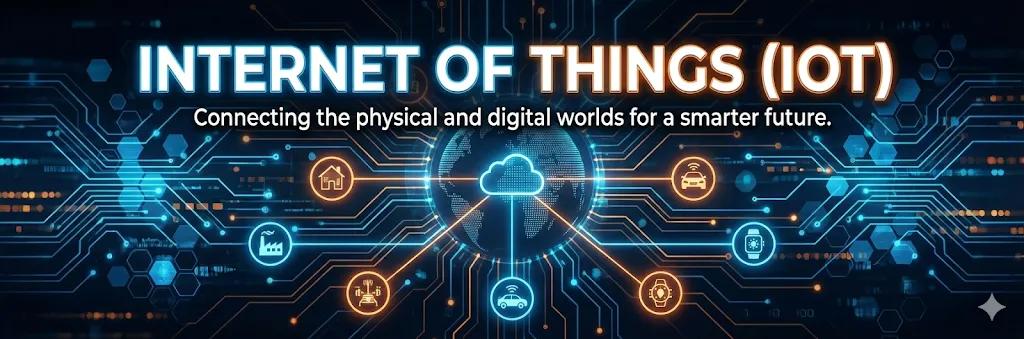
The Internet of Things depends heavily on SIM cards. Sensors, meters, cameras, and trackers often operate in locations without traditional internet. SIM connectivity allows these devices to transmit data reliably.
Agricultural operations use SIM enabled sensors to monitor soil and equipment. Logistics companies track assets across long distances. Utilities monitor infrastructure remotely.
These applications require SIM cards designed for long life and consistent performance. Reliability matters more than speed in many cases.
Real World Example of SIM Reliability
A regional logistics company deployed GPS trackers using single carrier SIM cards. Coverage gaps caused tracking delays in rural areas. Dispatch teams lost visibility during critical moments.
After switching to SIM cards that supported broader network access, tracking improved. Devices maintained connectivity across routes. Dispatch regained real time insight.
This change reduced delays and improved customer communication. It showed how SIM selection directly affects operational efficiency.
Security and SIM Management
Security is built into SIM technology, but management plays a key role. Businesses need visibility and control over their SIM deployments.
Modern SIM management platforms allow administrators to monitor usage and set limits. Lost devices can have their SIMs disabled instantly. Alerts can flag unusual activity.
This control reduces risk and helps protect sensitive data moving across networks.
Cost Control Through Smart SIM Usage
Unmanaged SIM usage can lead to unnecessary costs. Overages, unused plans, and inefficient deployments waste resources.
Businesses benefit from aligning SIM plans with actual usage. Shared data pools and flexible plans improve efficiency. Centralized management makes optimization easier.
Smart SIM strategies turn connectivity into a predictable expense instead of a surprise.
SIM Cards and Redundant Connectivity
SIM cards play an important role in redundancy. Cellular connections often serve as backup paths when wired internet fails. This redundancy keeps systems online during outages.
For businesses that cannot afford downtime, SIM enabled backup connections are essential. They provide resilience without complex infrastructure.
This layered approach improves reliability across all operations.
The Future of SIM Cards
SIM technology continues to evolve. Smaller form factors and deeper integration with devices are becoming common. At the same time, physical SIM cards remain critical for many use cases.
Future developments will focus on flexibility, security, and global reach. SIM cards will continue adapting to support faster networks and more connected devices.
Their role as the gateway to cellular networks will not change.
Why SIM Cards Still Matter
Despite advances in connectivity, SIM cards remain foundational. They provide identity, security, and access in a single component. Businesses and individuals rely on them daily.
Choosing the right SIM solution impacts performance, reliability, and cost. It affects how well devices stay connected and how smoothly operations run.
SIM cards may be small, but their impact on modern connectivity is significant and lasting.
