
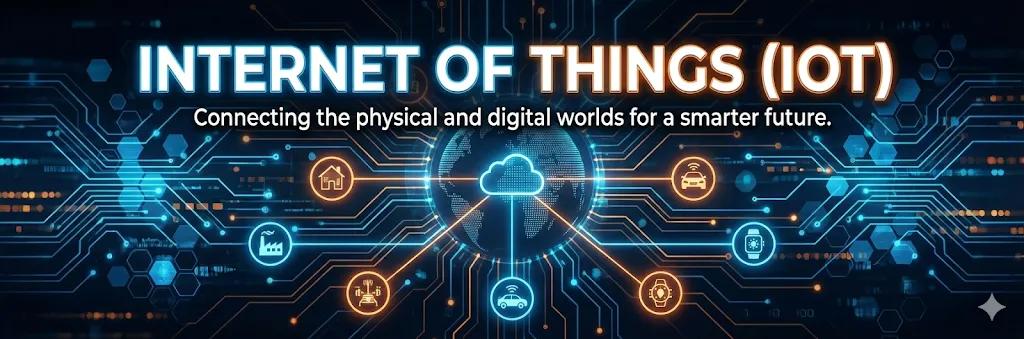
SIM, eSIM, and data form the foundation of modern connectivity. Every mobile device, business system, and connected machine relies on this combination to communicate. While they often work quietly in the background, their role is critical. Without them, digital operations come to a stop.
As technology evolves, these components have become more flexible and powerful. Businesses and consumers now expect seamless connectivity wherever they go. Understanding how SIM, eSIM, and data work together helps organizations choose smarter connectivity strategies.
Understanding SIM Technology
A SIM card is the identity of a device on a cellular network. It tells the network who the device is and what it is allowed to do. When a device powers on, the SIM authenticates it and enables access.
Physical SIM cards remain widely used. They are removable and easy to replace. This makes them useful for environments where devices change often or hands-on control is important.
SIM cards also store security credentials. These protect the connection and prevent unauthorized access. This built-in security is one reason cellular networks remain trusted for sensitive communication.
The Role of eSIM
eSIM technology builds on the same principles as traditional SIM cards. The difference is how it is delivered. An eSIM is embedded directly into the device and activated through software.
This removes the need to physically insert or swap cards. Devices can be activated remotely and reconfigured as needed. For businesses managing large numbers of devices, this simplifies deployment and maintenance.
eSIM also supports multiple profiles. A device can switch between carriers without changing hardware. This flexibility is especially valuable for global operations and mobile teams.
How Data Powers Connectivity
Data is what flows through SIM and eSIM connections. It carries emails, transactions, sensor readings, video calls, and application traffic. The quality of a data plan determines how well devices perform.
Reliable data plans deliver consistent speed and low latency. They support modern cloud based applications that require constant access. For businesses, stable data is just as important as hardware reliability.
Data plans also define limits and usage patterns. Choosing the right plan ensures devices stay online without unexpected slowdowns or costs.
SIM, eSIM, and Data Working Together
SIM, eSIM, and data are not separate choices. They work as a system. The SIM or eSIM provides identity and network access. The data plan determines how that access is used.
When designed properly, this system adapts to changing conditions. Devices can move between locations, networks, and use cases without losing connectivity. That adaptability is what modern operations require.
This integration allows businesses to remain agile and responsive.
Business Use Cases Across Industries
Retailers rely on SIM and eSIM connectivity for point of sale systems. When wired internet fails, cellular data keeps transactions moving. Customers never see the difference.
Logistics companies use SIM enabled trackers to monitor shipments. Data flows continuously as vehicles move across regions. Dispatch teams maintain visibility and control.
Healthcare providers depend on secure data connections for mobile clinics and remote monitoring. SIM and eSIM solutions allow care to reach more people without sacrificing reliability.
Real World Example of Combined Connectivity
A service company deployed tablets to field technicians. Early on, each tablet used a single carrier SIM. Coverage gaps caused delays and incomplete reports.
After switching to a multi-network eSIM with a flexible data plan, performance improved immediately. Tablets stayed connected across service areas. Reports synced in real time.
That change reduced rework and improved customer satisfaction. It showed how SIM, eSIM, and data choices directly impact results.
Managing Connectivity at Scale
As device counts grow, management becomes more complex. Tracking usage, billing, and performance manually is not sustainable.
Centralized management platforms bring SIM, eSIM, and data under one view. Administrators can activate devices, monitor usage, and set controls easily.
This visibility reduces waste and prevents issues before they disrupt operations.
Security Built Into Every Layer
Security is woven into SIM, eSIM, and data solutions. Authentication ensures only approved devices connect. Encryption protects data as it travels.
For businesses handling sensitive information, this protection is essential. It reduces exposure to interception and unauthorized access.
eSIM adds another layer by eliminating physical tampering. Devices remain secure even if lost or stolen.
Supporting Mobility and Remote Work
Modern work is not tied to a single location. Employees work from homes, vehicles, and job sites. Connectivity must follow them.
SIM and eSIM solutions provide that mobility. Data plans ensure applications remain accessible wherever work happens.
This freedom improves productivity and supports flexible work models.
Cost Control and Predictability
Unmanaged connectivity can lead to unexpected expenses. Overages, roaming charges, and unused plans waste resources.
Flexible data plans paired with centralized management help control costs. Businesses pay for what they use and adjust as needs change.
Predictable billing supports better planning and budgeting.
Preparing for the Future of Connectivity
Connectivity demands continue to rise. More devices, more data, and more reliance on cloud platforms increase pressure on networks.
SIM, eSIM, and data solutions are evolving to meet this demand. Support for faster networks and smarter routing improves performance.
Organizations that invest in adaptable connectivity are better prepared for what comes next.
Why SIM, eSIM, and Data Matter
These technologies may be small or invisible, but their impact is significant. They enable communication, commerce, and innovation.
By choosing the right combination of SIM, eSIM, and data, businesses gain reliability and flexibility. Devices stay connected. Teams stay productive.
In a connected world, these foundations make everything else possible.
