
SIM cards are small, but they carry a big responsibility. They connect devices to mobile networks and make communication possible. Without a SIM card, most mobile devices cannot make calls, send texts, or access data. From personal phones to business equipment, SIM cards sit at the center of modern connectivity.
Over time, SIM technology has grown beyond simple phone use. Today, SIM cards support global travel, mobile workforces, smart devices, and entire industries that depend on constant uptime. Understanding how SIM cards work helps users and businesses make smarter connectivity decisions.
What a SIM Card Does
A SIM card is short for Subscriber Identity Module. It stores information that identifies a device on a cellular network. This includes subscriber credentials, security keys, and carrier settings.
When a device powers on, the SIM card communicates with nearby cell towers. The network checks the SIM’s identity and grants access if it is valid. Once approved, the device can connect to voice, messaging, and data services.
This process happens in seconds and usually goes unnoticed. Still, it is one of the most important steps in mobile communication.
Types of SIM Cards in Use Today
SIM cards come in several formats. The function stays the same, but the size and method of activation can differ.
Physical SIM Cards
Physical SIM cards are removable chips inserted into a device. They come in standard, micro, and nano sizes. Most modern devices use nano SIM cards.
Physical SIMs are easy to replace. If a device breaks, the SIM can be moved to a new one. This makes them popular for field work, temporary devices, and environments where hands-on control matters.
eSIM Technology
An eSIM is an embedded SIM built into the device. It cannot be removed, but it can be programmed remotely. Activation happens through software rather than inserting a card.
eSIMs make it easy to switch carriers or add plans without visiting a store. They are useful for global travel, remote device management, and large-scale deployments.
How SIM Cards Support Business Operations
Many businesses rely on SIM cards without realizing it. Mobile point-of-sale systems, GPS trackers, security cameras, and tablets all depend on SIM connectivity. This allows companies to operate without fixed internet lines.
For example, a construction crew can bring a cellular router to a job site. With a SIM card installed, the team has internet access within minutes. There is no need to wait for cable installation or rely on public Wi-Fi.
SIM cards also help businesses stay flexible. Devices can move between locations and remain connected. That means fewer interruptions and better productivity.
SIM Cards in IoT and Smart Devices
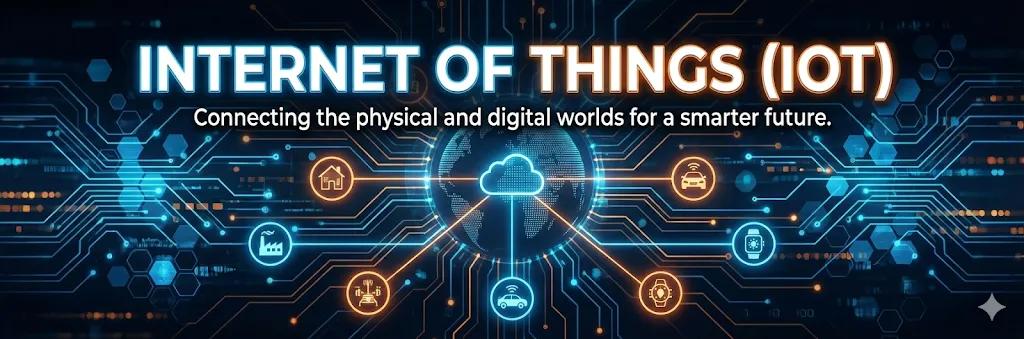
The Internet of Things relies heavily on SIM cards. Sensors, meters, and machines often operate far from traditional networks. SIM connectivity allows them to send data from almost anywhere.
Smart agriculture uses SIM cards in soil sensors and irrigation controllers. Logistics companies use them in asset trackers and shipping containers. Utilities place SIM-enabled monitors in remote infrastructure.
These devices often use specialized SIMs designed for long life and low power use. Some can switch between carriers to maintain a signal, even in rural areas.
Security and SIM Management
SIM cards include built-in security features. Each SIM has unique identifiers and encryption that protect network access. Still, managing SIMs properly is important, especially for businesses.
Modern SIM platforms allow administrators to monitor usage and control access. A lost or stolen device can have its SIM disabled instantly. Usage alerts can prevent overages or suspicious activity.
eSIMs add another layer of security since they cannot be physically removed. This reduces the risk of SIM swapping and unauthorized use.
Real World Example of SIM Reliability
A regional delivery company operating across West Texas depended on tablets for routing and proof of delivery. Their early setup used a single carrier SIM in each device. Coverage gaps caused delays and missed updates.
They switched to a multi-network SIM solution that automatically connected to the strongest signal. The tablets stayed online even in remote areas. Drivers finished routes faster, and dispatch had real-time visibility again.
That change showed how the right SIM strategy can directly impact operations and customer satisfaction.
Choosing the Right SIM Solution
Not every SIM card is the same. The best option depends on how and where it will be used. A personal phone may only need a local SIM. A business with mobile teams may need roaming and pooled data.
Questions to consider include coverage area, data usage, device type, and security needs. It also helps to choose a provider that offers visibility and control through a single platform.
A strong SIM solution should scale easily. As more devices are added, management should remain simple and predictable.
The Future of SIM Cards
SIM technology continues to evolve. eSIM adoption is growing, and new forms like iSIM are emerging. These integrate SIM functions directly into device processors.
At the same time, physical SIM cards remain important. Many industries still prefer the ability to swap and replace cards in the field. Both formats will likely coexist for years.
As networks expand and devices become smarter, SIM cards will keep adapting. Their role as the gateway to mobile connectivity is not changing anytime soon.
Why SIM Cards Still Matter
Despite advances in Wi-Fi and cloud networking, cellular connectivity remains essential. SIM cards provide reliable access where other options fail. They support mobility, security, and global reach.
From a single phone to thousands of connected devices, SIM cards keep data moving. Choosing the right SIM setup can reduce downtime, improve performance, and protect sensitive information.
SIM cards may be small, but their impact on modern life and business is significant.
